
Why fruit works so well on shaved snow
Snow ice already has a light, airy texture, so fruit is a natural fit. It brings freshness to every spoonful and helps balance sweeter sauces, creamier bases and richer add-ons. In a climate like Durban’s, where warm afternoons can make heavier desserts feel a bit much, fruit keeps the treat cool and easy to enjoy.
The best fruit toppings do more than look good. They should hold their shape for a few minutes on top of the snow, release enough juice to flavour each bite, and not make the bowl watery. That is why the most reliable choices are fruit with a firm bite, a clean flavour, and enough colour to stand out against the white snow. Think of toppings that can be sliced, diced or layered neatly rather than fruit that collapses quickly in heat and humidity.
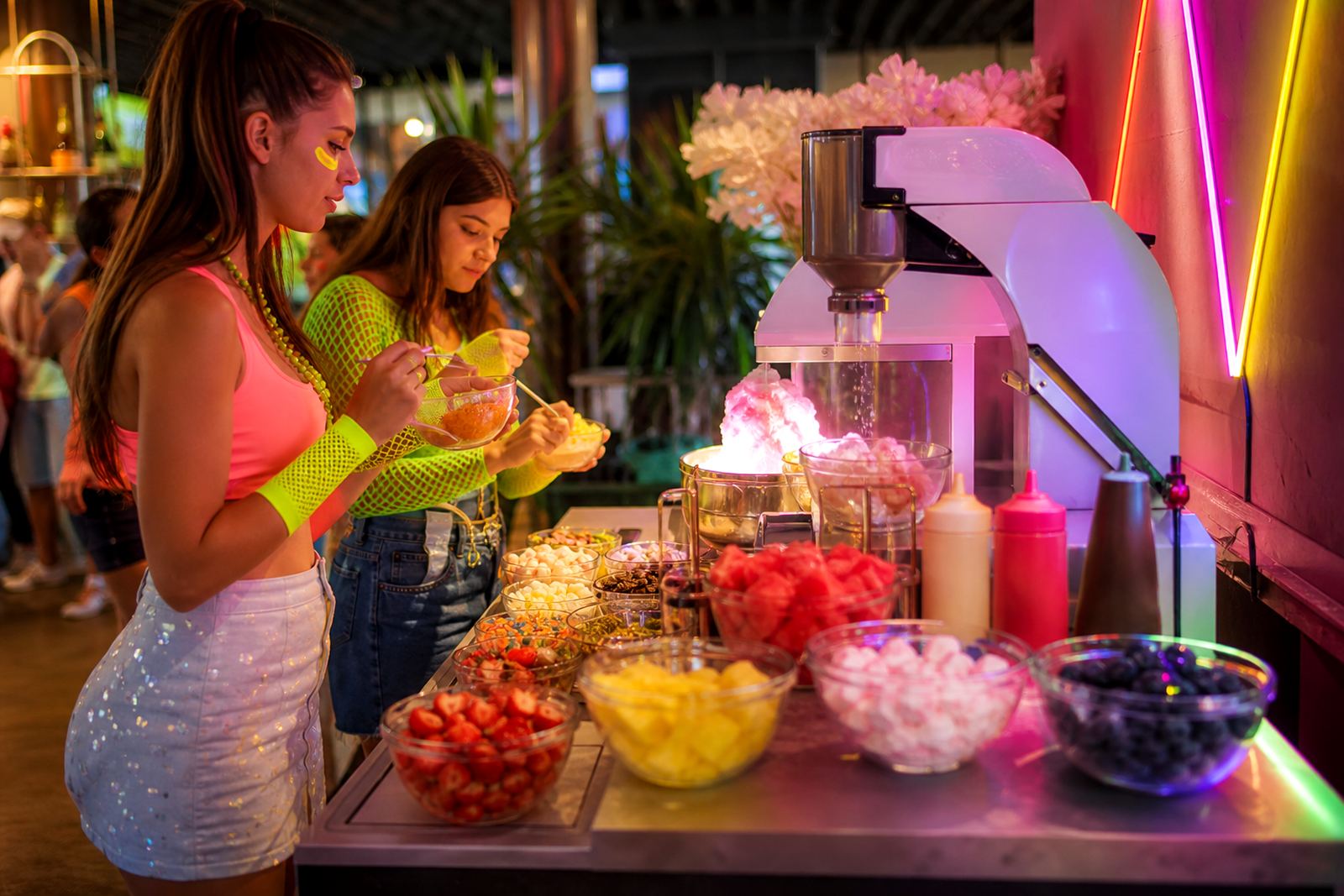
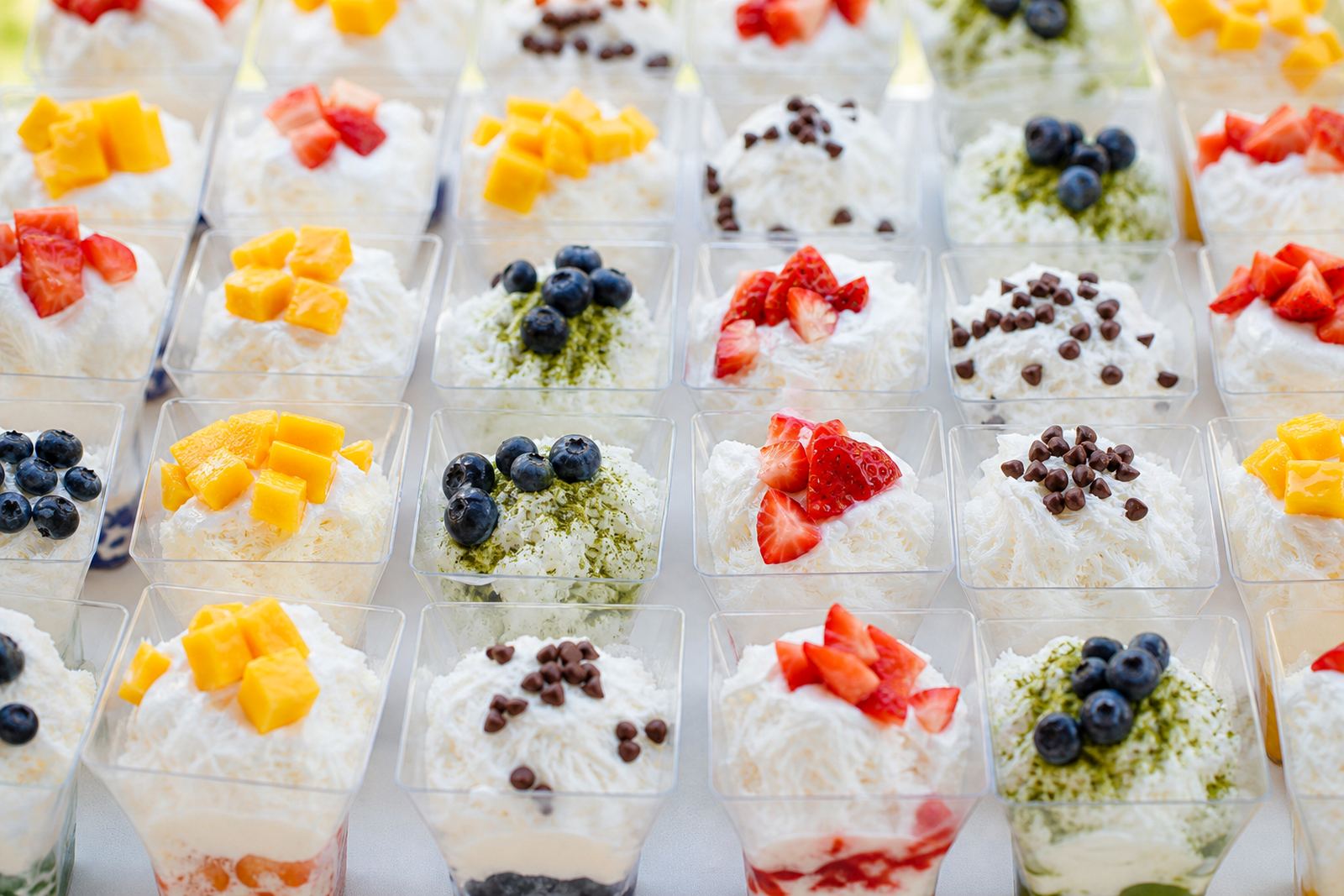
For catering, fruit is also practical. It is simple to portion, easy to serve in cups, and works well for birthday tables, office functions and school events where guests want something fresh rather than overly rich. If you are planning for outdoor service in Umhlanga or Ballito, fruit gives you a dessert that feels right for the weather and still holds its appeal after a busy serving run.
The top fruit toppings to choose first
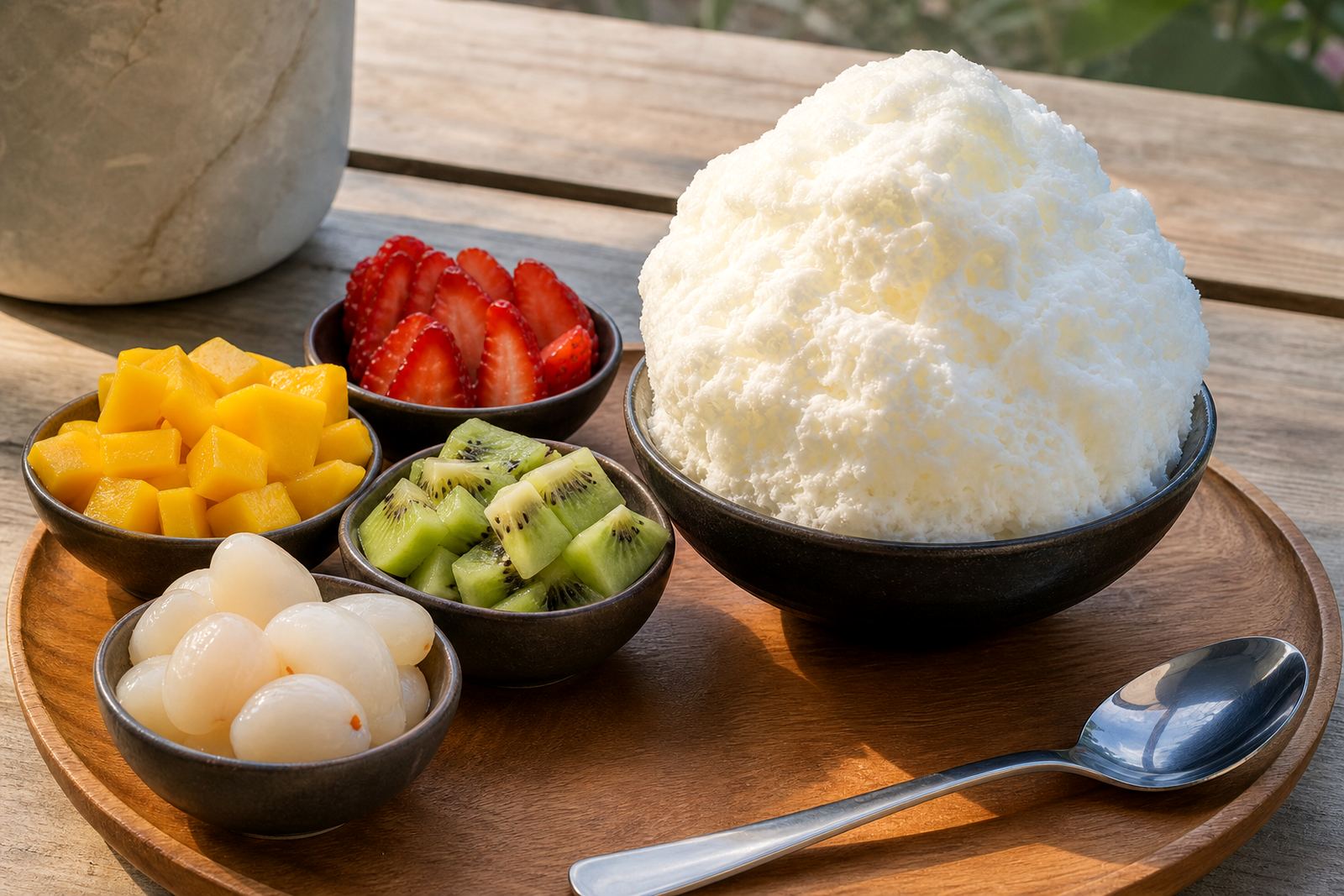
If you want the most dependable fruit toppings, start with these tried and tested options. They pair well with Taiwanese-style shaved snow and work across both store service and event catering.
- Strawberries for bright colour and a sweet, slightly tart finish.
- Mango for a soft tropical flavour that suits warm weather.
- Banana for a creamy bite that works especially well with chocolate or caramel.
- Kiwi for sharp freshness and a vivid green colour contrast.
- Blueberries for small bursts of sweetness and neat presentation.
- Pineapple for a juicy, tangy lift that cuts through richer toppings.
- Granadilla for a distinct local flavour and a little crunch from the seeds.
These are the fruits that tend to perform well across different settings, from a simple after-school treat in Pietermaritzburg to a larger corporate activation in Sandton. They are familiar enough for most guests, but still let you build something that feels custom. If you need one safe choice for a mixed crowd, strawberries and mango usually go first.
Fruit also helps with visual appeal, which matters more than people realise. A cup with white snow, red strawberries, yellow mango and a few blueberries immediately looks inviting. It photographs well too, which is useful at events where guests like to share their desserts before they eat them.
How to match fruit with the right snow base
Not every fruit suits every flavour. The goal is to match sweetness, acidity and texture so the dessert tastes balanced rather than flat or too sugary. If the snow base is vanilla or milk-based, fruit with a sharper edge can keep it lively. If the base is already fruity, a softer topping may be the better choice.
Here are a few simple pairings that work well:
- Vanilla snow with strawberries for a classic sweet and clean finish.
- Mango snow with pineapple for a tropical style that feels fresh, not heavy.
- Chocolate snow with banana for a dessert that feels familiar and filling.
- Coconut or milk snow with kiwi for a brighter, tangier balance.
- Berry-style snow with blueberries for a neat, cool finish.
For catering in Johannesburg, where event guests may want something a bit more indulgent, you can pair fruit with a drizzle or crunch topping to create more depth. In coastal areas like La Lucia and Umhlanga, lighter fruit combinations often work better because they suit the weather and the pace of the event. If the function is outdoors, the fruit should be cut just before service so it stays fresh and clean looking.
A practical tip: use one dominant fruit and one accent fruit rather than piling on too many flavours. Two or three well chosen toppings usually taste better and look tidier. Too much fruit can make the bowl lose its shape and the snow can melt quicker, especially on hot days or during load-shedding when service might need to run on backup power.
What fruit to avoid when the weather is hot
Some fruit looks attractive at first but does not hold up well on snow ice, especially in South African summer heat. Very soft fruit can break down too quickly and leave too much liquid in the cup. That may be fine for a home dessert, but it is not ideal for catering or high foot traffic service.
Be careful with:
- Overripe bananas, which brown quickly and can go mushy.
- Very soft peaches, which may release too much juice.
- Watery melon cubes, which can dilute the flavour of the snow.
- Fruit left cut for too long, especially in warm serving conditions.
In Durban’s humidity, fruit needs to be handled well and kept chilled until service. If the event is in a mall, school hall or outdoor venue, the timing of when fruit is plated matters just as much as the fruit itself. A good topping should still look fresh after a few minutes in front of guests, not disappear into the snow before the bowl is handed over.
For larger events, ask for fruit that can be portioned in advance and kept covered. This helps with cleanliness, keeps flies away and makes service smoother. If you are running a live serving station, fruit should be kept in chilled containers and rotated often. That kind of control makes a visible difference to the final dessert.
Local flavour combinations that suit Durban and Gauteng guests
South African guests often enjoy fruit combinations that feel familiar, colourful and easy to eat. At a party in Hillcrest, you might find that mixed berry and mango bowls go quickly because they are bright and not too sweet. At a corporate function in Sandton, guests may prefer a more polished presentation with strawberries, kiwi and a light sauce.
These combinations tend to work well across different venues:
- Strawberry and banana for a soft, crowd-friendly mix.
- Mango and granadilla for a tropical style with a local edge.
- Kiwi and pineapple for a sharper, cleaner taste.
- Blueberry and strawberry for a neat red and blue colour contrast.
- Mixed fruit cups for school events where guests want a bit of everything.
For a summer birthday in Ballito, fruit toppings can help a dessert feel festive without becoming too rich after a braai or lunch. At a wedding reception in Pietermaritzburg, a fruit-led snow cup can also serve as a lighter finish for guests who do not want a heavy pudding. The fruit should support the moment, not overcomplicate it.
When ordering for a group, it is smart to ask for a mix that includes one sweet fruit, one tangy fruit and one with colour. That gives guests more choice and keeps the menu interesting without making the service slower.
How to keep fruit toppings fresh for catering
Fresh fruit needs good handling, especially when you are serving at events across KwaZulu-Natal and Gauteng. The best tasting fruit is usually the fruit that has been washed, chopped and chilled properly before it reaches the serving counter. Simple steps make a big difference to both flavour and appearance.
Good catering practice includes:
- Keeping fruit cold until just before service.
- Using clean, sealed containers for each fruit type.
- Cutting fruit into even pieces for tidy plating.
- Rotating stock so older fruit is used first.
- Serving in smaller batches for outdoor or long events.
For home parties, this matters even if the guest list is small. If you are hosting in Umhlanga or La Lucia, a tray of fruit should not sit in the sun while people arrive. For bigger functions, especially where there is live serving or drop-off dessert cups, fresh fruit should be packed in a way that keeps it separate until the final build. That protects the snow texture and stops the toppings from turning soft too early.
When fruit is handled well, the result is simple and satisfying. The snow stays light, the topping stays bright and every cup feels made with care. That is the difference between fruit that is just decoration and fruit that actually improves the dessert.