
Start with the venue layout before choosing the menu
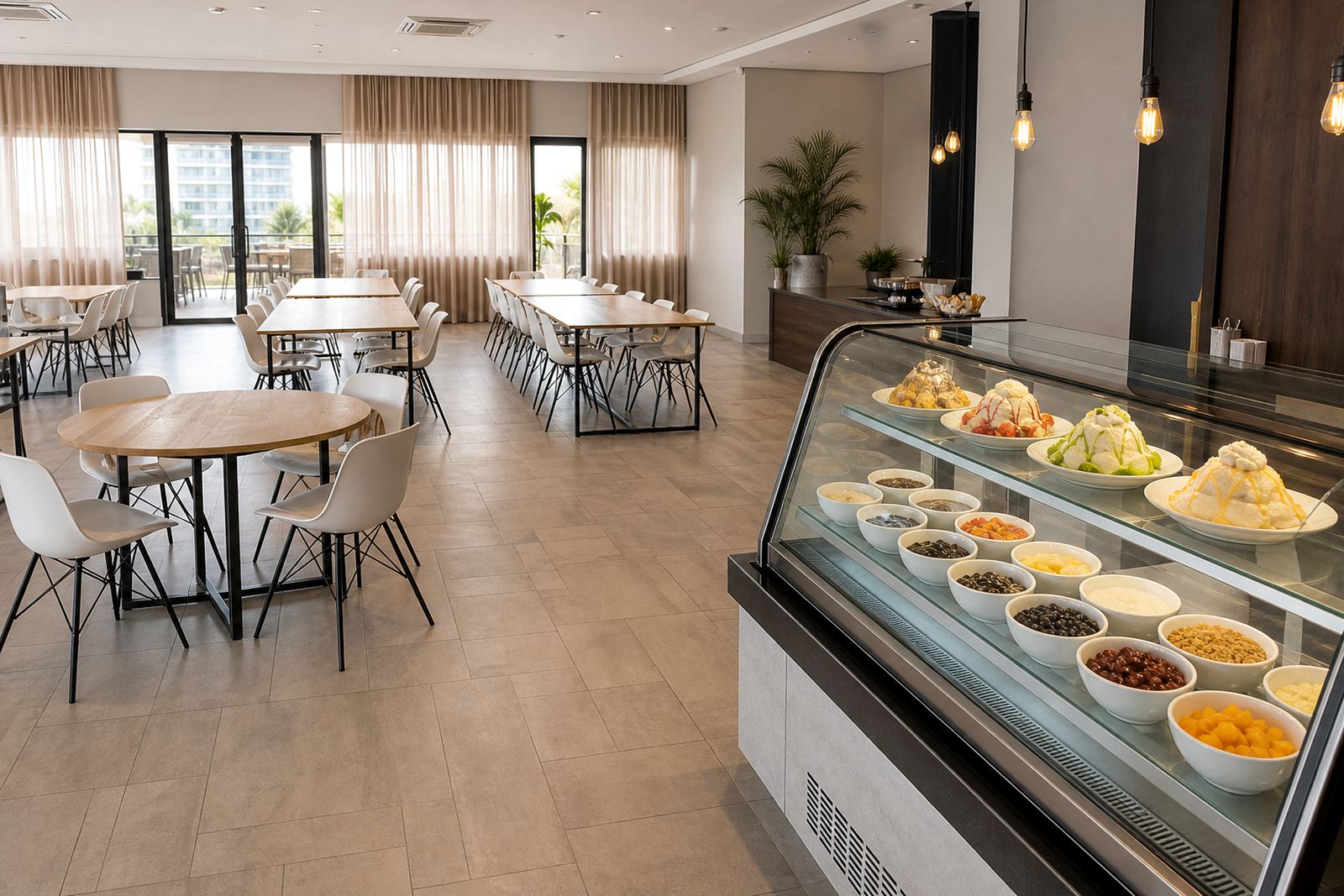
Every indoor venue has its own rhythm, whether it is a hotel function room in Umhlanga, a conference space in Sandton or a community hall in Pietermaritzburg. Before the sweets are ordered, look at the room shape, door positions, power points and the path guests will use between seating, the bar and the dessert area. A good setup keeps queues short and stops guests bunching near the entrance or blocking the dance floor.
If the venue has tight access, low ceilings or limited loading space, that needs to be planned early. In humid coastal areas like Durban and Ballito, air conditioning also matters because snow ice holds best in a cool room. If the aircon is weak or switched off during load-shedding, the serving plan may need a quicker handover or a smaller batch run.
- Check where guests will enter and exit the room.
- Ask if trolleys, tables and small equipment can be brought in through a service door.
- Confirm the power supply and backup options if the venue has interruptions.
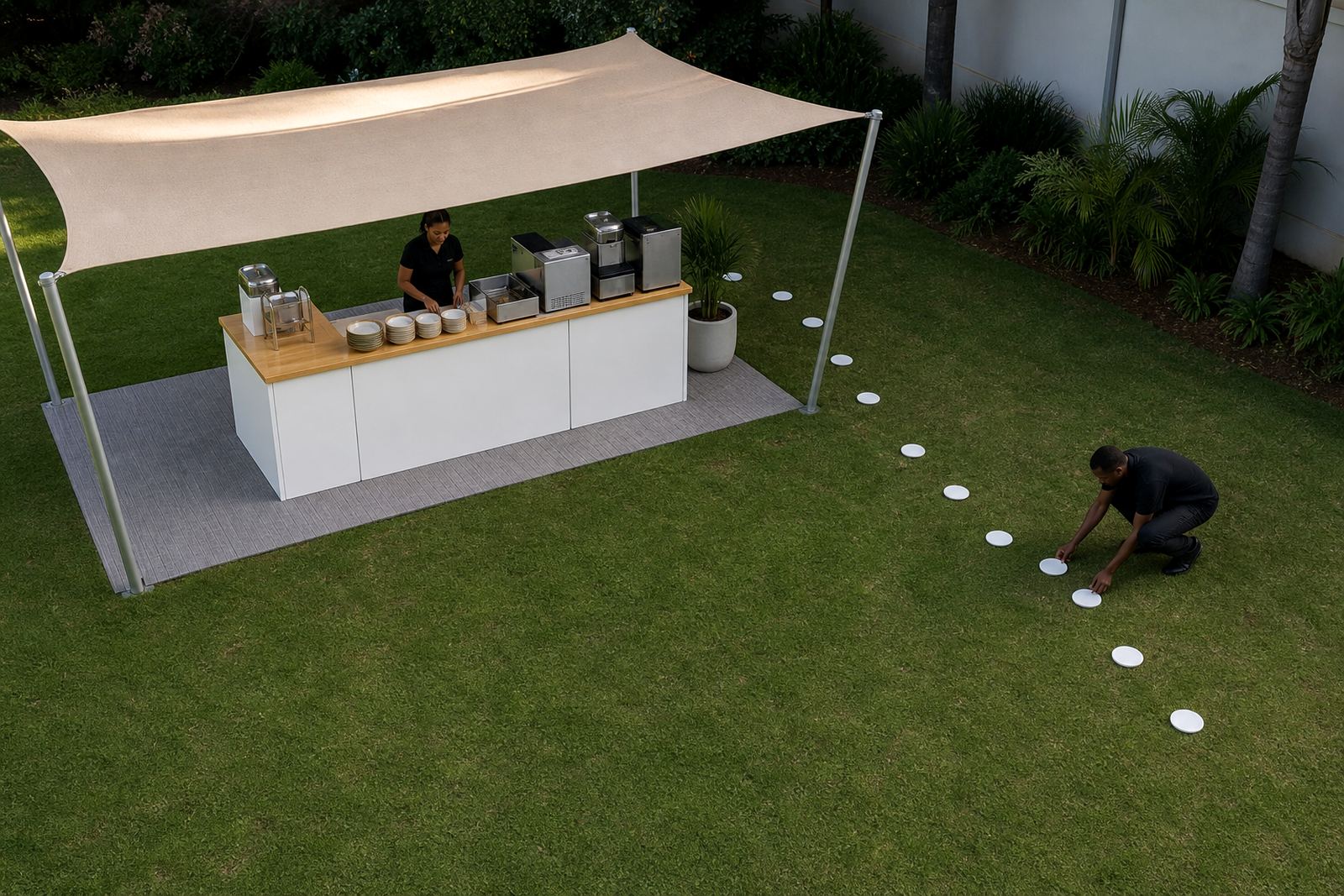
- Measure the space for the station so people can queue without blocking walkways.
Choose a serving style that suits the size of the crowd
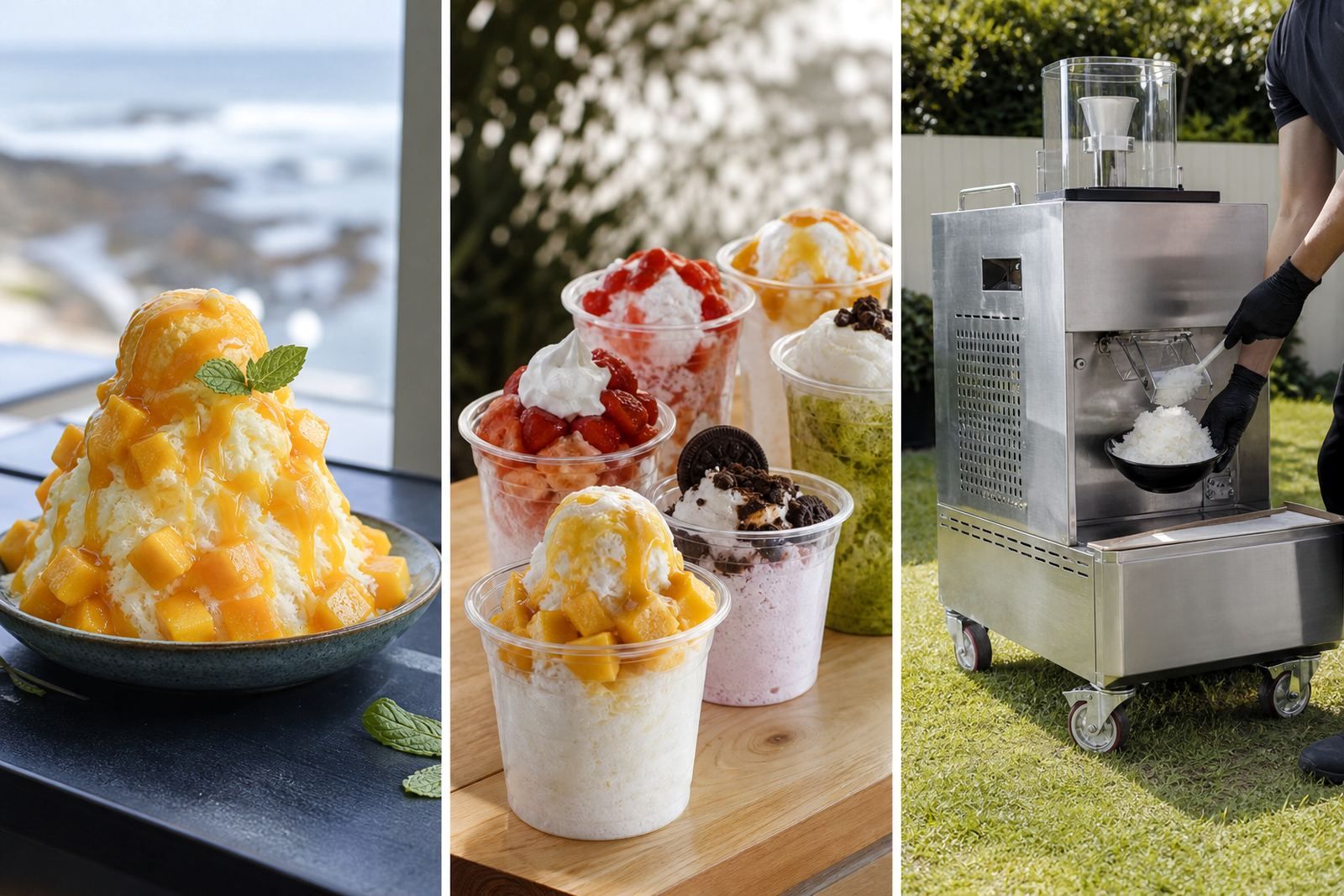
Snow ice can be served in different ways depending on the event. A live serving station works well for birthdays, weddings and corporate functions where guests enjoy watching orders being built on the spot. Drop-off dessert cups suit shorter events, school functions and high-volume guest lists where speed matters more than custom building. For larger indoor crowds, a mixed approach often works best, with a few live-service slots and a pre-packed option on the side.
Think about age groups too. Children at a school gala may want simple flavour choices and easy toppings, while a corporate crowd in Johannesburg may prefer a neat, polished presentation with lighter portions. If the event is a formal wedding or an awards evening, smaller cups with tidy toppings can keep the look elegant without slowing service. It is worth being practical here, because a station that looks pretty but moves slowly can cause a long queue and that is never ideal.
- Live serving station for interactive indoor events.
- Drop-off dessert cups for fast service and controlled portions.
- Large group catering for busy functions with limited time.
- Custom menu catering for themed events and brand activations.
Build a flow that keeps guests moving naturally
Guest flow is one of the easiest things to get right and one of the easiest things to overlook. A dessert station should not sit right at the main doorway or behind the speaker system. It should be visible enough for guests to find, but set back enough that people can form a line without crowding other parts of the venue. Where possible, place the serving point near an open wall or a side section of the room so staff can work with space to spare.
For indoor events with seated service, dessert is best served after the main meal once the room has settled. For cocktail style functions, a station can work earlier, especially if guests are arriving in waves. Keep napkins, spoons and waste bins close by, and make sure there is a clear spot for finished cups. Small details make a big difference and they help the whole event feel calm rather than rushed.
- Keep the queue line away from the entrance and speaker area.
- Place serving tools, napkins and bins within easy reach.
- Allow enough room for guests with children or mobility needs.
- Use signage or staff direction if the venue has multiple rooms.
Plan for temperature, timing and load-shedding
Indoor dessert service depends on temperature control more than many people expect. Snow ice has a light, fluffy texture that needs a cool environment, especially in warm months and in crowded rooms where bodies and lighting raise the heat. In KwaZulu-Natal, venues near the coast can feel warm and damp, so air conditioning should be checked before the event starts. In Gauteng, dry indoor air is usually kinder, but the room can still heat up quickly once guests arrive.
Timing matters as well. If dessert is brought out too early, it can soften before guests are ready. If it is too late, people lose interest or start moving out of the venue. A reliable event plan includes a serving window, a backup power check and a clear note on how long the station can stay active. For venues affected by load-shedding, the team should know in advance whether the room has lights and cooling on backup or whether the service needs to be adjusted.
- Confirm the venue’s air conditioning schedule.
- Ask about generator or backup power before the function.
- Set the dessert time to match speeches, entertainment and meal service.
- Keep the station away from direct sunlight through glass walls or doors.
Set up for a clean and tidy finish
Indoor catering should look neat from the first cup to the last. That means planning for drips, spills and waste before the first guest arrives. A well-run station uses enough serving surfaces for toppings, cups and utensils, with a clear place for staff to move without crossing guest paths. For home parties or small function rooms, even a simple table layout can work well if it is organised properly.
Protecting floors is a must in many venues, especially where carpets or polished tiles are used. Ask what is allowed by the venue and whether a mat or floor cover is needed under the serving area. If the event is in a mall activation space or a school hall, you may also need to respect venue rules about electricity, waste removal and setup time. These practical checks avoid problems later and keep the host looking organised.
- Use a stable table with enough space for toppings and cups.
- Keep cloths or wipes nearby for quick cleanups.
- Check venue rules on floor protection and waste disposal.
- Leave a small service gap behind the table for staff movement.
Use this indoor event checklist before guests arrive
Before the doors open, a final walk-through helps prevent last minute stress. Confirm the serving time, the number of guests, the flavour list and the order in which the desserts will be handed out. If the function is in La Lucia, Hillcrest, Sandton or elsewhere across KwaZulu-Natal and Gauteng, the same rule applies: the closer the handover is to the start time, the better the service rhythm will be.
For hosts arranging birthday catering, wedding catering, corporate catering or school event catering, it helps to nominate one person to speak with the catering team on the day. That way any changes can be handled quickly without confusion. The best indoor events feel organised because somebody made the small decisions early, not because the room magically sorted itself out.
- Venue access confirmed and loading route checked.
- Guest count and serving style agreed.
- Air conditioning, lighting and backup power checked.
- Table position, waste plan and serving time confirmed.
- One contact person assigned for day-of changes.